
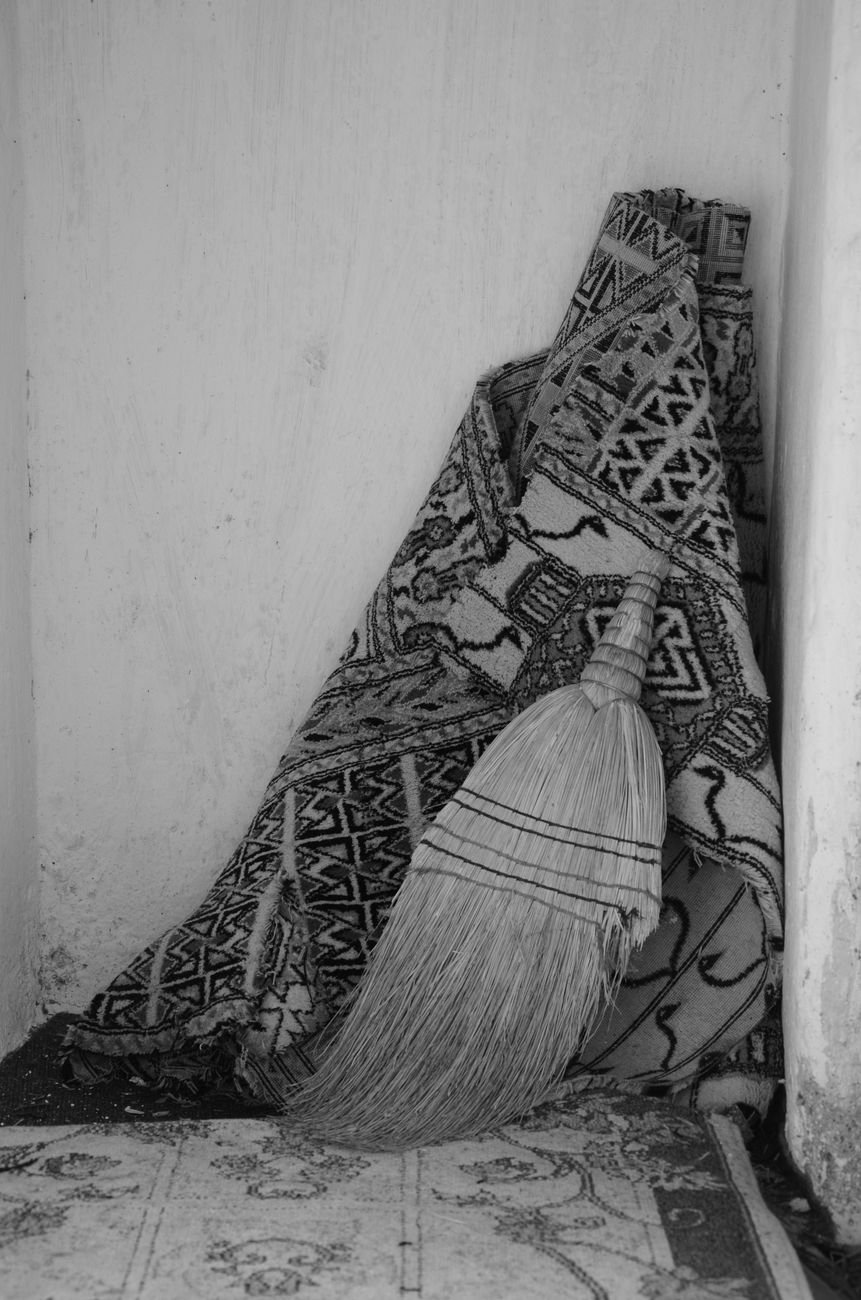
An antique rug rarely asks for attention all at once. More often, it signals quietly – a softened palette under a dining table, a trace of dust rising when the edge is lifted, a small spot that seems harmless until it settles into the pile. Knowing how to clean antique rugs begins with recognizing that they are not simply floor coverings. They are handwoven textiles with age, irregularity, and material nuance, and they respond best to measured care.
A nineteenth-century Persian rug, a gently faded Oushak, and an early Turkish village weaving may all share a room beautifully, but they do not all tolerate cleaning in the same way. Fiber type, dye stability, foundation strength, prior repairs, and wear patterns all matter. The goal is not to make an old rug look new. It is to preserve its structure, color, and quiet character while removing the soil that causes long-term damage.
How to clean antique rugs starts with assessment
Before any cleaning begins, take a close look at the rug in natural light. Check for low pile, exposed foundation threads, brittle fringe, small holes, dry rot, moth damage, and areas where one end or side is more worn than the rest. If the rug has uneven fading, bleeding dyes from an older spill, or previous patchwork repairs, that changes what is safe.
This first step is easy to underestimate. Many problems associated with rug cleaning do not come from water alone. They come from cleaning a weakened textile too aggressively. A rug that appears dusty may simply need dry soil removal. A rug with embedded grime and odor may need a full wash, but only if the structure can handle it.
If the rug is especially fine, very fragile, silk-blend, or visibly deteriorating, professional handwashing is the better decision. Antique rugs with unstable reds, deep indigo migration, or old cotton foundations can shift quickly once moisture is introduced. There is value in restraint.
Remove dry soil before treating any stain
The most damaging material in an antique rug is often not the visible spot. It is the dry grit settling deep into the foundation, slowly abrading fibers with every footstep. Removing that soil gently and regularly does more for the life of a rug than occasional dramatic cleaning.
Vacuum the rug with care, using suction only if possible and avoiding beater bars entirely. Work in the direction of the pile rather than against it. If the rug is particularly delicate, place a screen or mesh between the vacuum and the textile to reduce pull. Then turn the rug over and vacuum the back lightly. This helps release embedded dust from the foundation.
After vacuuming, a soft natural-bristle brush can help loosen surface soil, but only on rugs with stable pile. Fringe should be handled sparingly. Tugging or overworking the ends can weaken knots and cause loss where the rug is already vulnerable.
Spot cleaning calls for a light hand
When people ask how to clean antique rugs, they often mean how to deal with a spill. Here the timing matters. A fresh stain is very different from one that has oxidized into the wool over months or years.
For a new spill, blot immediately with a clean white cotton cloth or plain paper towel. Press firmly, but do not rub. Rubbing pushes liquid deeper and can roughen the pile. Once the excess moisture is removed, use a small amount of cool water to continue blotting. The idea is dilution, not saturation.
If a little additional cleaning is needed, use a very mild soap diluted heavily in water and test it first on an inconspicuous area. Antique rugs can contain natural dyes that react unexpectedly, especially reds, blues, and blacks. Apply as little moisture as possible, blot again, and dry the area thoroughly with towels.
Avoid household stain removers, oxygen cleaners, bleach-based products, and anything strongly fragranced. These products may promise convenience, but they can strip lanolin from wool, flatten texture, and create color loss that is far more noticeable than the original stain.
When washing at home is reasonable – and when it is not
Not every antique rug should be washed at home. In fact, many should not. But some sturdier wool pieces in stable condition can tolerate a careful surface wash if there is general soil buildup and no sign of dye instability.
Choose a dry, warm day with airflow. Lay the rug flat on a clean hard surface or a well-supported outdoor platform, never hanging where wet weight can strain the foundation. Vacuum first. Then test for colorfastness by pressing a damp white cloth onto several colored areas. If dye transfers, stop and seek professional care.
If the rug appears stable, use cool water and a very diluted wool-safe soap. Work gently with a soft sponge or brush, cleaning in small sections and following the direction of the pile. The rug should be dampened lightly rather than soaked. Excess water is the common mistake. It can cause browning, dye migration, mildew, and foundation distortion.
Rinse carefully with small amounts of cool water until residue is removed. Then press out moisture with dry towels. The rug must dry quickly and evenly. Elevating it slightly to allow air circulation underneath can help. Never place an antique rug in direct harsh sun for prolonged drying, and never use high heat.
If the rug is room-sized, unusually heavy, or already weakened, home washing becomes impractical. A wet antique rug gains weight fast, and moving it can stress the structure. That is usually the point where professional washing is worth it.
Materials matter more than most owners realize
Wool is generally resilient, which is one reason antique wool rugs have lasted so well. It holds color beautifully, responds well to gentle cleaning, and has a natural depth that only improves with time. But even wool varies. Handspun wool with a high lanolin content behaves differently from dry, worn wool that has lost much of its natural protection.
Cotton foundations deserve caution because they can shrink or distort if over-wet. Silk highlights or silk foundation rugs require even more care, as silk can lose strength when wet and show water marks more easily. If your antique rug has metallic thread, painted details, or unusually fine weaving, it is best treated as a specialty textile rather than a routine household rug.
This is where provenance and construction become practical, not just poetic. A collectible textile is beautiful in a room, but its cleaning needs are often closer to conservation than ordinary maintenance.
What to avoid when cleaning antique rugs
Some forms of damage happen slowly, which is why they are repeated so often. Steam cleaning is one of the most common mistakes. The combination of heat, moisture, and pressure can stress old fibers, set stains, and encourage dye bleed. Shampoo machines and rental carpet cleaners pose similar risks.
Harsh agitation is another issue. Antique pile is often lower and more irregular than new rugs, which means aggressive scrubbing removes character along with soil. Even a well-meant deep clean can leave a rug looking thinned, raw, or oddly bright.
Over-wetting is perhaps the greatest hazard. Antique rugs are layered structures of pile, knots, and foundation. Moisture trapped below the surface can lead to odor, mildew, and weakened cotton. A rug may seem dry on top while remaining damp within.
Routine care is what preserves beauty
The best answer to how to clean antique rugs is often to clean them less dramatically and more intelligently. Regular light vacuuming, prompt blotting of spills, occasional rotation, and use of a quality rug pad go a long way. Rotation helps distribute wear and light exposure, especially in rooms with strong sun or clear traffic paths.
It also helps to think about placement. Antique rugs can anchor dining rooms, bedrooms, and layered living spaces beautifully, but placement affects maintenance. A delicate low-pile textile under a frequently used breakfast table will need more vigilance than the same rug in a sitting room. Beauty and practicality can coexist, but they should be considered together.
For collectors and design professionals, this is part of the appeal. Antique rugs are not anonymous décor. They ask for attention to material, context, and longevity. That attention is part of living well with them.
When professional cleaning is the right investment
A professional antique rug wash is not simply a larger version of home cleaning. Done well, it is a textile-specific process that accounts for dye testing, controlled washing, careful rinsing, and proper drying. It can revive depth and softness that ordinary vacuuming cannot reach, especially when years of particulate soil have settled into the base.
The right interval depends on use. In a busy family room, a full professional cleaning every few years may be sensible. In a lower-traffic bedroom or formal space, less often may be enough. If the rug looks dull, smells dusty, feels stiff, or releases grit when flexed, it is usually time.
For those furnishing layered, collected interiors, a thoughtful cleaning approach protects more than a purchase. It protects patina, craftsmanship, and the sense of permanence that only handmade pieces can bring. At Eskici Rugs, that distinction matters. An antique rug should still feel lived with, not overworked – cared for in a way that lets its age read as depth, not fragility.
Treat the rug as you would any enduring object in a well-composed home: gently, consistently, and with enough respect to leave some of its history intact.