
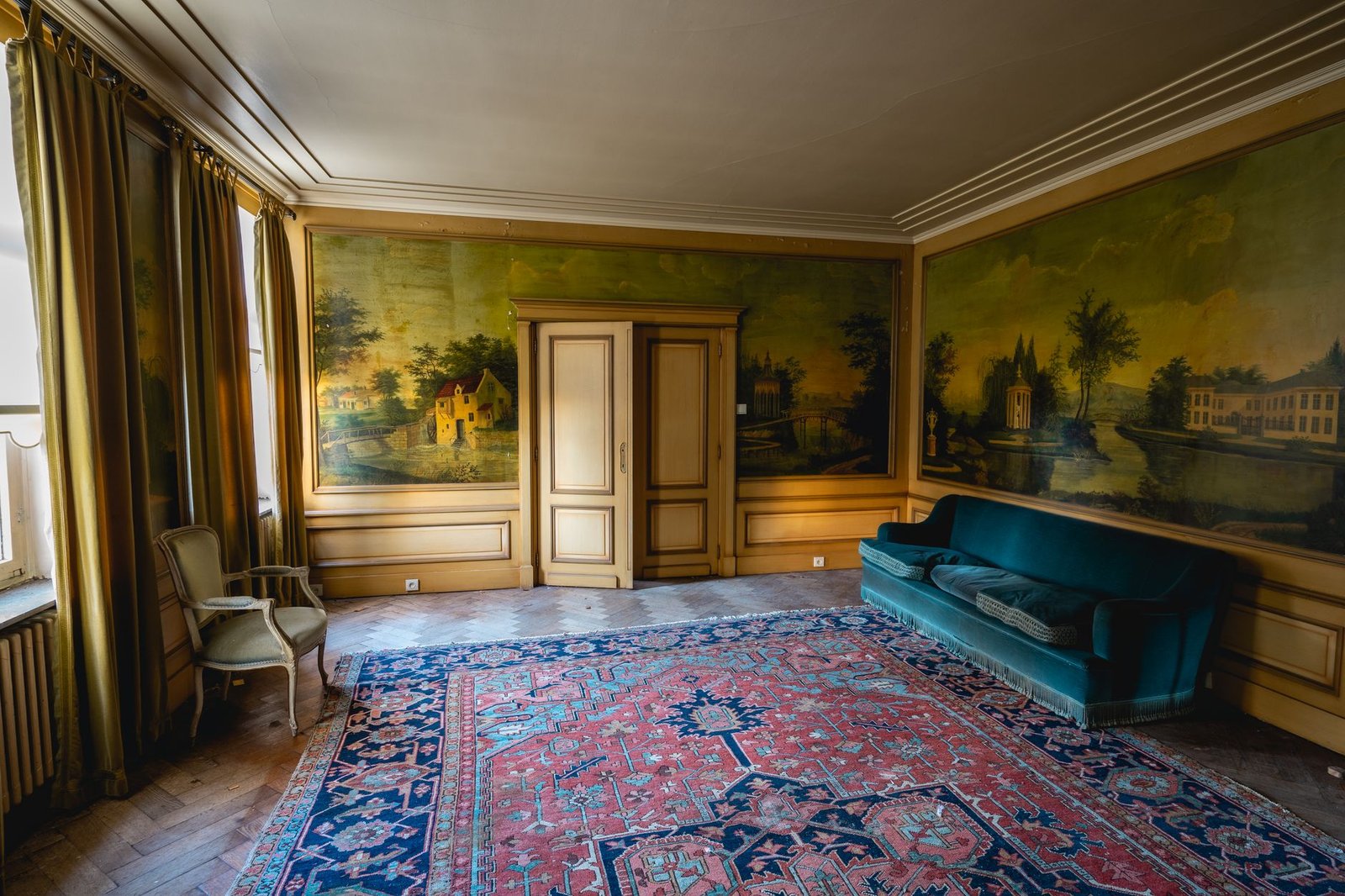
A room can be beautifully furnished and still feel unfinished. Often, what is missing is not another object but a sense of depth – something with age, texture, and presence. Persian rugs have long held that role. They anchor a space visually, soften architecture, and introduce a kind of lived-in refinement that newer pieces rarely replicate.
For design-conscious homeowners and trade professionals alike, their appeal goes well beyond ornament. A well-chosen Persian rug can shape the palette of a room, connect disparate materials, and add a layer of history that makes an interior feel personal rather than staged. That is part of why they continue to matter in contemporary homes, even as tastes shift toward cleaner lines and quieter spaces.
Why Persian rugs still feel current
The phrase itself covers a wide range of weavings from Iran, with regional traditions that differ in drawing style, knot structure, palette, and wool quality. Yet what unites the best examples is balance. There is artistry, certainly, but also discipline. Even highly detailed floral rugs tend to feel ordered rather than busy, while more geometric village pieces bring structure without becoming severe.
That balance is what allows Persian rugs to work across interiors that look very different from one another. In a traditional room, they deepen the sense of continuity. In a pared-back interior, they provide relief from flatness and introduce movement through pattern and abrasion. In a collected home, they often become the piece that makes everything else make sense.
Age also changes the conversation. Vintage and antique Persian rugs tend to have softened colors, nuanced wear, and a patina that reads as warmth rather than perfection. That quiet irregularity is often what gives them their character. A new rug can be beautiful, but an older handmade piece usually offers more visual depth and a greater sense of permanence.
What makes Persian rugs distinctive
Not every handmade rug with a medallion or floral border is Persian, and not every Persian rug looks the same. The category is broad, which is part of its richness. City rugs from places like Tabriz, Kashan, or Isfahan often show fine drawing and more elaborate curvilinear motifs. Village and tribal weavings can feel bolder, with stronger geometry and a more spontaneous rhythm.
Materials matter as much as design. Good wool has a natural luster and resilience that synthetic fibers cannot imitate convincingly. Vegetable-dyed examples often carry especially subtle color variation, which gives the surface life. You may notice a red that shifts gently toward rust, or an ivory field that reads warmer in morning light and cooler by evening. Those changes are not flaws. They are part of what makes handmade rugs feel responsive to the room.
Construction matters too, though not always in the way buyers assume. A higher knot count can indicate fine workmanship, but it is not the only measure of beauty or value. Some of the most compelling Persian rugs are less intricate on paper yet stronger in presence because the drawing is clear, the wool is excellent, and the colors have settled beautifully over time. In other words, refinement can look different from perfection.
How to choose Persian rugs for your space
The right rug is partly about taste and partly about proportion. In living rooms, the most common mistake is choosing a size that is too small. A Persian rug should usually relate to the seating arrangement rather than float at its center. Ideally, at least the front legs of the main furniture sit on the rug so the room feels composed.
In dining rooms, scale is even more practical. The rug needs enough margin beyond the table for chairs to remain on it when pulled out. Bedrooms invite more flexibility. Some clients prefer a large rug under the full bed and nightstands, while others choose runners or smaller pieces layered at the sides for a more informal effect.
Color should be considered in relation to materials, not just paint. A rug that looks red online may read as brick, rose, or brown once it is next to walnut furniture, linen upholstery, or oak floors. Persian rugs are often excellent at bridging warm and cool elements within the same room, but the balance varies from piece to piece. It helps to ask what the rug needs to do. Should it quiet the room, sharpen it, or connect existing tones?
Pattern scale deserves the same attention. Large, open motifs can make a room feel calmer and more architectural. Dense all-over pattern can be remarkably forgiving in high-traffic spaces because it hides wear gracefully. Neither is inherently better. It depends on the room, the furniture silhouettes, and whether the rug is meant to lead or support.
Styling Persian rugs in layered interiors
One of the reasons designers return to Persian rugs so often is their adaptability. They do not require a traditional setting to feel at home. In fact, some of the most compelling interiors pair antique rugs with modern upholstery, sculptural lighting, and restrained millwork. The contrast tends to sharpen both elements.
In a living room, a faded Persian rug can soften a room with clean-lined seating and stone or plaster surfaces. It introduces texture without adding clutter. In a dining room, a more formal floral or medallion rug can bring elegance to a simple table, especially when the rest of the palette is muted. Hallways and entries benefit from runners with strong drawing and durable wool, where wear only tends to add character.
Layering is also a useful approach, though it should feel intentional. A smaller Persian rug over a larger natural fiber base can help define a seating area in a large room or add warmth where architecture feels expansive. This works especially well when the handmade piece has age and a clear point of view. The contrast in texture gives the space dimension.
If the room already has many decorative moments, a quieter rug often serves it best. If the architecture is sparse or the furnishings are understated, a more expressive piece may provide the depth the room needs. Good rug styling is rarely about making the rug match. It is about letting it complete the composition.
Buying with confidence: age, condition, and authenticity
Because Persian rugs are handmade and often one of a kind, buying well requires a different mindset than buying a factory-made rug. Uniformity is not the goal. Slight variation in color, asymmetry in motifs, or areas of low pile can be part of a rug’s history and appeal.
Condition should be understood in context. For an antique or vintage rug, even wear can be desirable if the foundation is sound and the piece still has presence. More serious issues, like weak areas, holes, or poorly executed repairs, deserve closer evaluation. There is no universal rule here. A room with low traffic may welcome a more delicate antique rug, while a family room may benefit from a sturdier vintage piece with a denser weave and practical resilience.
Authenticity is also about source. A trusted, design-led retailer helps narrow a market that can otherwise feel noisy and inconsistent. Curation matters. It saves time, but more importantly, it improves judgment by placing quality, condition, and style in a clearer frame. That is often what turns an overwhelming search into a confident decision.
At Eskici Rugs, that point of view is part of the appeal. A carefully chosen selection makes it easier to see not just what a rug is, but where it belongs and why it matters.
Caring for Persian rugs over time
Persian rugs are durable, but they reward thoughtful care. Regular vacuuming without aggressive beater bars helps control grit, which is more damaging than most people realize. Rotation every so often can even out wear and sun exposure, especially in bright rooms.
Spills should be blotted quickly rather than rubbed, and professional washing is best left to specialists who understand handmade wool rugs. That is particularly true for older pieces with natural dyes, where improper cleaning can flatten texture or disturb color. A rug pad is a small detail, but an important one. It reduces slippage, supports the foundation, and helps the rug wear more evenly.
The reassuring part is that these rugs were made to be lived with. They are not fragile in the decorative sense. They simply age best when handled with respect.
Persian rugs ask for a slower kind of attention than many home purchases. You notice the drawing, the lanolin in the wool, the softened edge of a border, the way color settles into a room over time. That is precisely why they endure. The right piece does not just fill a floor. It gives a home a steadier, more memorable center.